
[IELTS Reading] – Case Study: Tourism New Zealand website

New Zealand is a small country of four million inhabitants, a long-haul flight from all the major tourist-generating markets of the world. Tourism currently makes up 9% of the country’s gross domestic product, and is the country’s largest export sector. Unlike other export sectors, which make products and then sell them overseas, tourism brings its […]
[IELTS Reading] – The secret of staying young
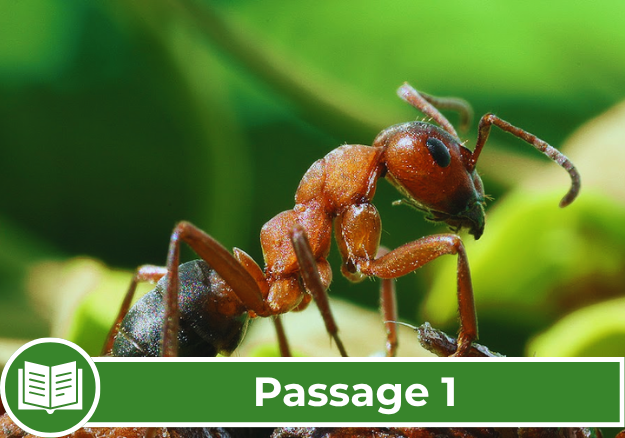
Pheidole dentata, a native ant of the south-eastern U.S., isn’t immortal. But scientists have found that it doesn’t seem to show any signs of aging. Old workers ants can do everything just as well as the youngsters, and their brains appear just as sharp. ‘We get a picture that these ants really don’t decline,’ says […]
[IELTS Reading] – The concept of intelligence
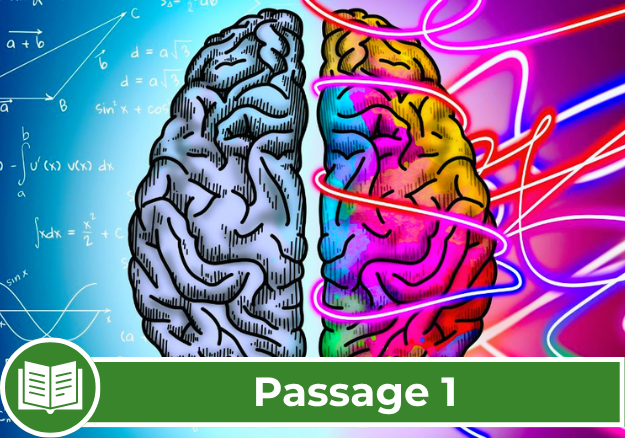
A Looked at in one way, everyone knows what intelligence is; looked at in another way, no one does. In other words, people all have unconscious notions – known as ‘implicit theories’ – of intelligence, but no one knows for certain what it actually is. This chapter addresses how people conceptualize intelligence, whatever it may […]
[IELTS Reading] – Alexander Henderson (1831-1913)
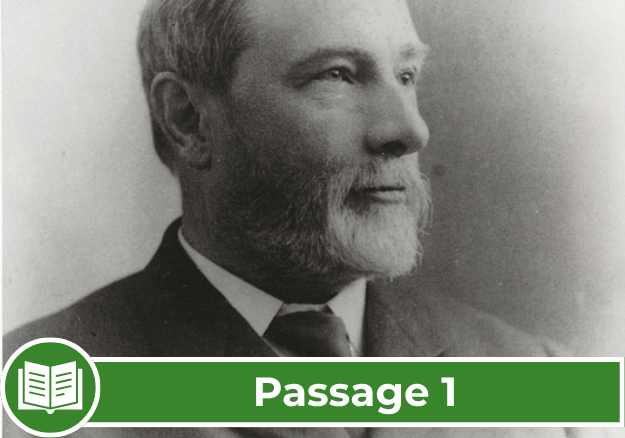
Born in Scotland, Henderson emigrated to Canada in 1855 and become a well-known landscape photographer Alexander Henderson was born in Scotland in 1831 and was the son of a successful merchant. His grandfather, also called Alexander, had founded the family business, and later became the first chairman of the National Bank of Scotland. The family […]
[IELTS Reading] – The importance of children’s play

Brick by brick, six-year-old Alice is building a magical kingdom. Imagining fairy-tale turrets and fire-breathing dragons, wicked witches and gallant heroes, she’s creating an enchanting world. Although she isn’t aware of it, this fantasy is helping her take her first steps towards her capacity for creativity and so it will have important repercussions in her […]
[IELTS Reading] – The return of the huarango
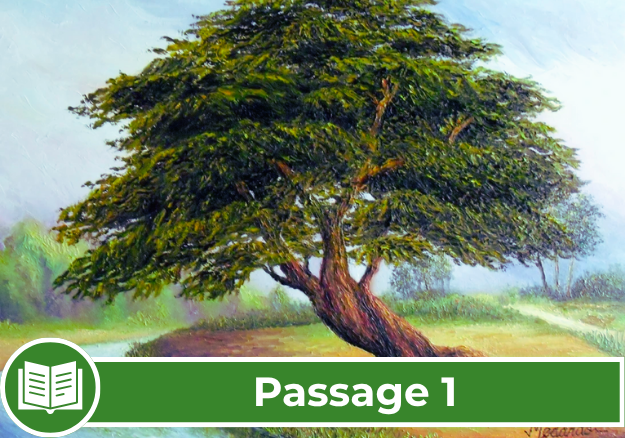
The arid valleys of southern Peru are welcoming the return of a native plant The south coast of Peru is a narrow, 2,000-kilometre-long strip of desert squeezed between the Andes and the Pacific Ocean. It is also one of the most fragile ecosystems on Earth. It hardly ever rains there, and the only year-round source […]
[IELTS Reading] – Henry Moore (1898-1986)
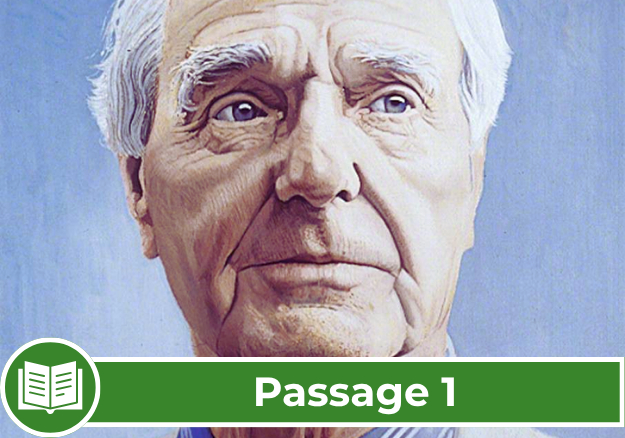
The British sculptor Henry Moore was a leading figure in the 20th-century art world Henry Moore was born in Castleford, a small town near Leeds in the north of England. He was the seventh child of Raymond Moore and his wife Mary Baker. He studied at Castleford Grammar School from 1909 to 1915, where his […]
[IELTS Reading] – Could urban engineers learn from dance?

A The way we travel around cities has a major impact on whether they are sustainable. Transportation is estimated to account for 30% of energy consumption in most of the world’s most developed nations, so lowering the need for energy-using vehicles is essential for decreasing the environmental impact of mobility. But as more and more […]
[IELTS Reading] – Nutmeg – a valuable spice

The nutmeg tree, Myristica fragrans, is a large evergreen tree native to Southeast Asia. Until the late 18th century, it only grew in one place in the world: a small group of islands in the Banda Sea, part of the Moluccas – or Spice Islands – in northeastern Indonesia. The tree is thickly branched with dense […]
Roman tunnels
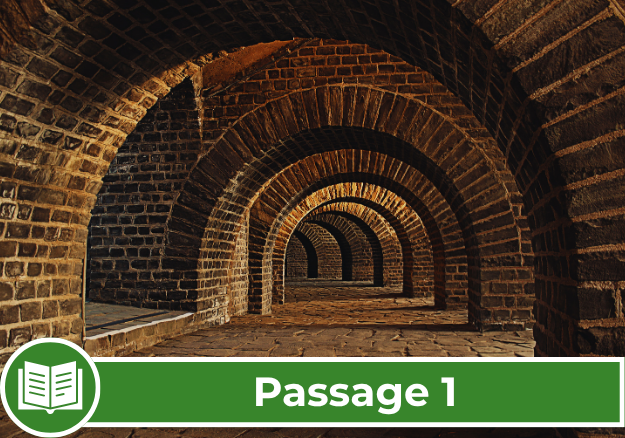
The Romans, who once controlled areas of Europe, North Africa and Asia Minor, adopted the construction techniques of other civilizations to build tunnels in their territories The Persians, who lived in present-day Iran, were one of the first civilizations to build tunnels that provided a reliable supply of water to human settlements in dry areas. […]
Roman shipbuilding and navigation
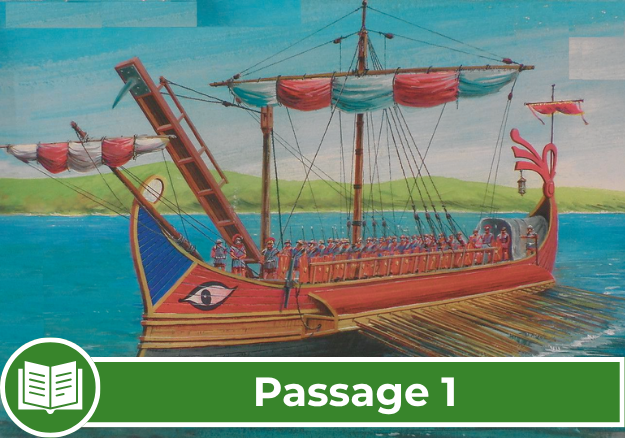
Shipbuilding today is based on science and ships are built using computers and sophisticated tools. Shipbuilding in ancient Rome, however, was more of an art relying on estimation, inherited techniques and personal experience. The Romans were not traditionally sailors but mostly land-based people, who learned to build ships from the people that they conquered, namely […]
[IELTS Reading] – The White Horse of Uffington
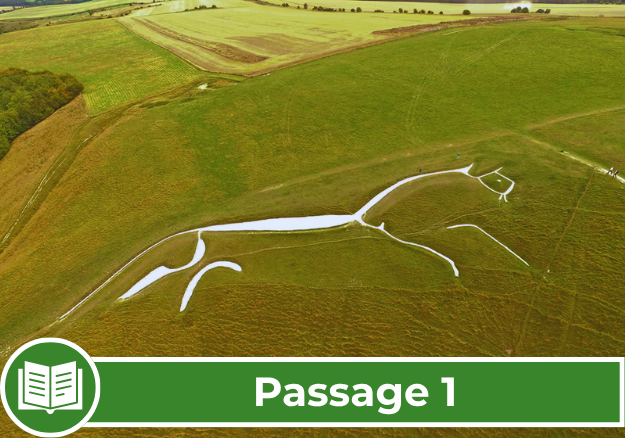
The cutting of huge figures or ‘geoglyphs’ into the earth of English hillsides has taken place for more than 3,000 years. There are 56 hill figures scattered around England, with the vast majority on the chalk downlands of the country’s southern counties. The figures include giants, horses, crosses and regimental badges. Although the majority of […]
[IELTS Reading] – Why we need to protect polar bears
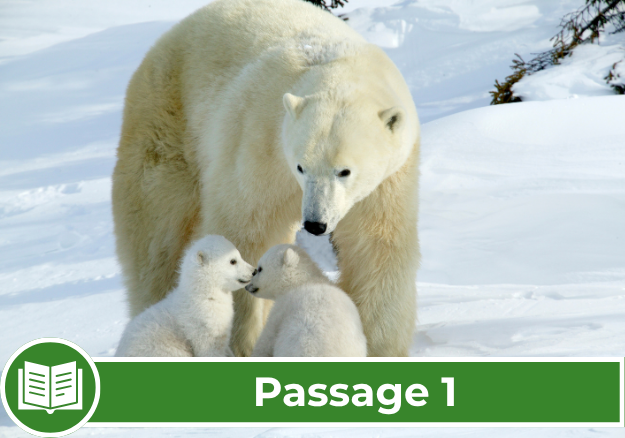
Polar bears are being increasingly threatened by the effects of climate change, but their disappearance could have far-reaching consequences. They are uniquely adapted to the extreme conditions of the Arctic Circle, where temperatures can reach -40°C. One reason for this is that they have up to 11 centimetres of fat underneath their skin. Humans with […]
Bats to the rescue
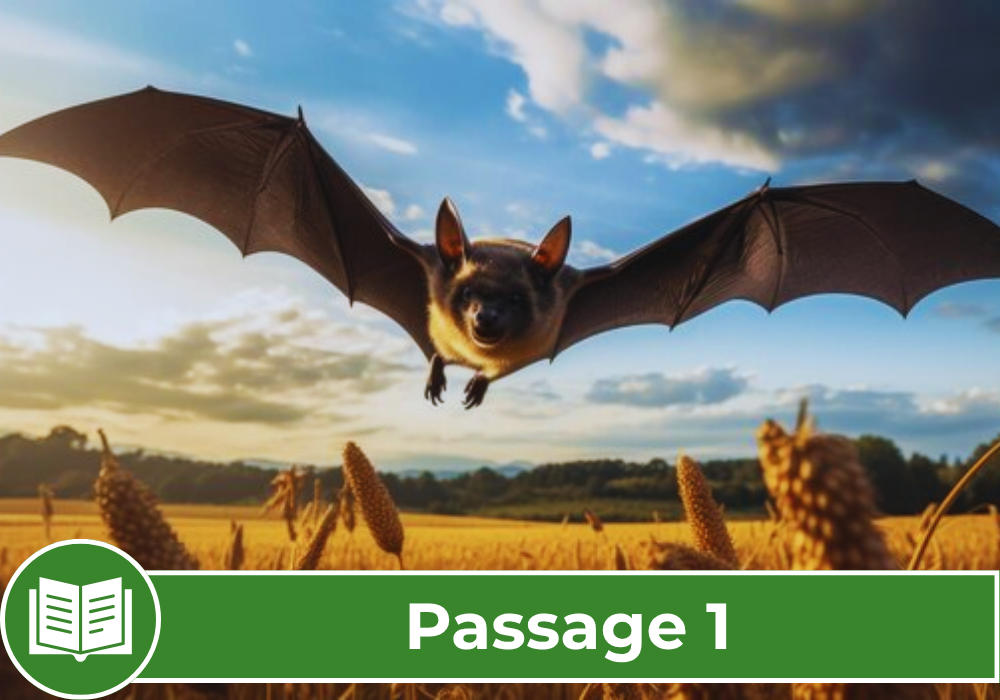
How Madagascar’s bats are helping to save the rainforest There are few places in the world where relations between agriculture and conservation are more strained. Madagascar’s forests are being converted to agricultural land at a rate of one percent every year. Much of this destruction is fuelled by the cultivation of the country’s main staple […]
The thylacine
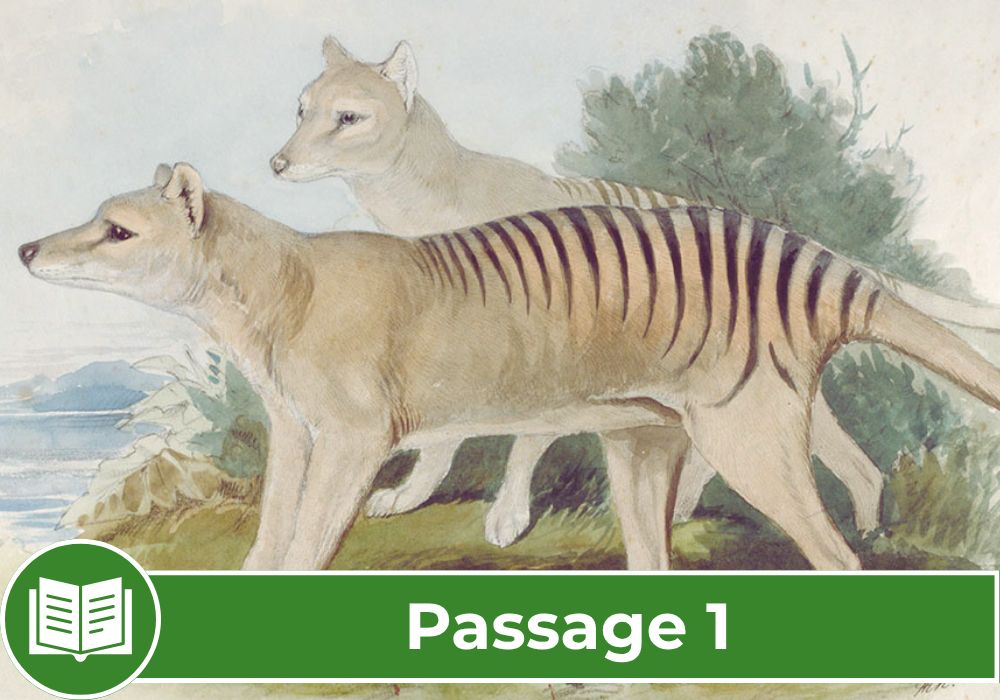
The extinct thylacine, also known as the Tasmanian tiger, was a marsupial* that bore a superficial resemblance to a dog. Its most distinguishing feature was the 13-19 dark brown stripes over its back, beginning at the rear of the body and extending onto the tail. The thylacine’s average nose-to-tail length for adult males was 162.6 […]
The Dead Sea Scrolls
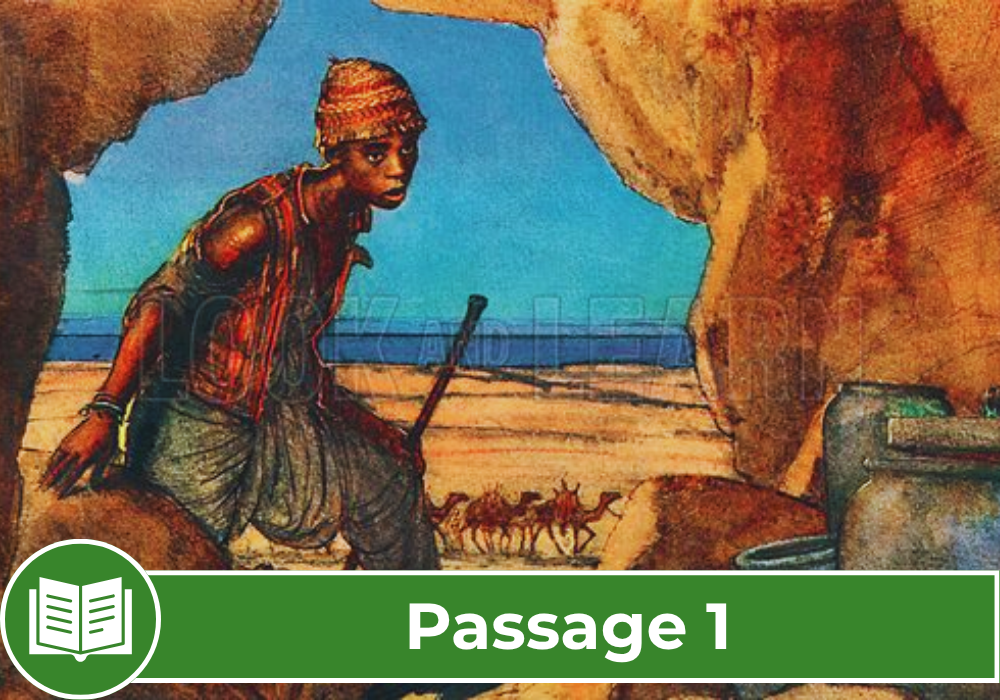
In late 1946 or early 1947, three Bedouin teenagers were tending their goats and sheep near the ancient settlement of Qumran, located on the northwest shore of the Dead Sea in what is now known as the West Bank. One of these young shepherds tossed a rock into an opening on the side of a […]
The development of the London underground railway
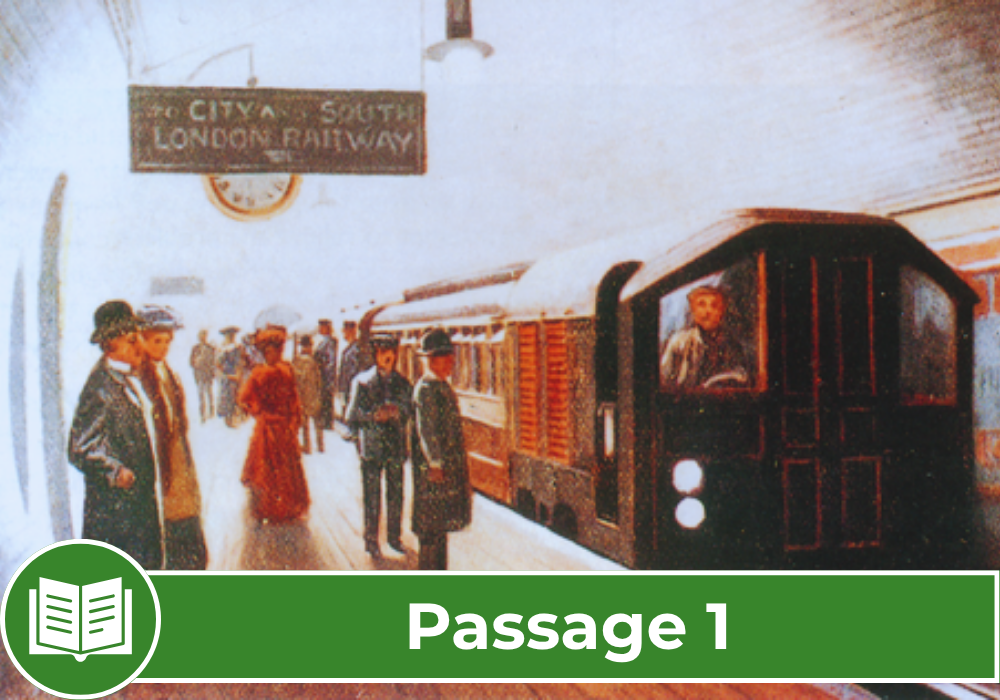
In the first half of the 1800s, London’s population grew at an astonishing rate, and the central area became increasingly congested. In addition, the expansion of the overground railway network resulted in more and more passengers arriving in the capital. However, in 1846, a Royal Commission decided that the railways should not be allowed to […]
[IELTS Reading] – Green roofs

A Rooftops covered with grass, vegetable gardens and lush foliage are now a common sight in many cities around the world. More and more private companies and city authorities are investing in green roofs, drawn to their wide-ranging benefits. Among the benefits are saving on energy costs, mitigating the risk of floods, making habitats for […]
Materials to take us beyond concrete
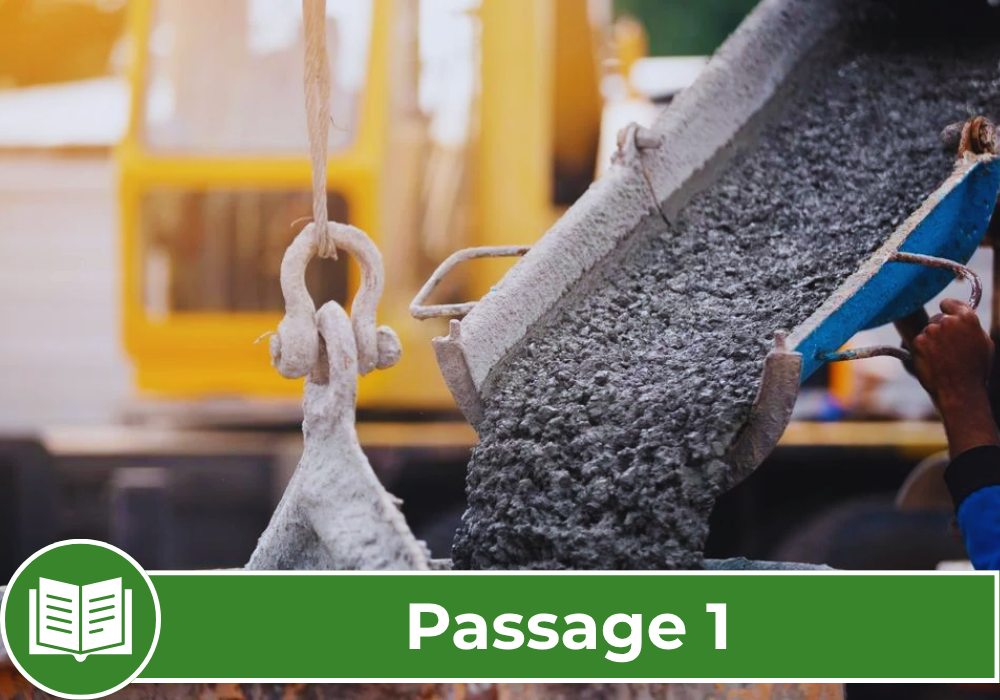
Concrete is everywhere, but it’s bad for the planet, generating large amounts of carbon dioxide – alternatives are being developed A Concrete is the second most used substance in the global economy, after water – and one of the world’s biggest single sources of greenhouse gas emissions. The chemical process by which cement, the key […]
Stonehenge
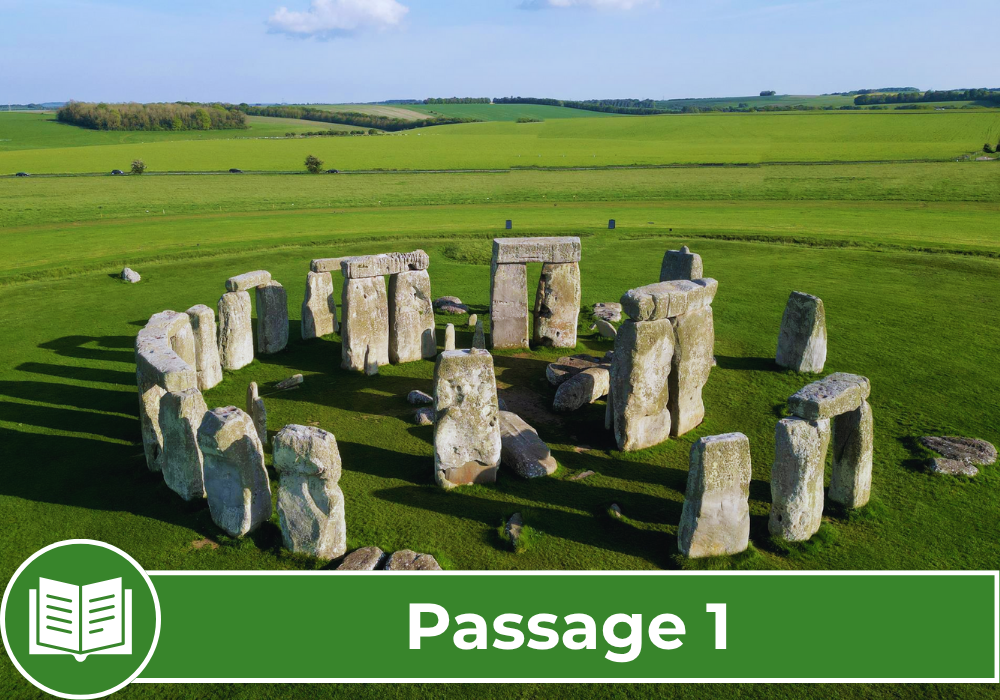
For centuries, historians and archaeologists have puzzled over the many mysteries of Stonehenge, a prehistoric monument that took an estimated 1,500 years to erect. Located on Salisbury Plain in southern England, it is comprised of roughly 100 massive upright stones placed in a circular layout. Archaeologists believe England’s most iconic prehistoric ruin was built in […]