
[IELTS Reading] – Flying tortoises
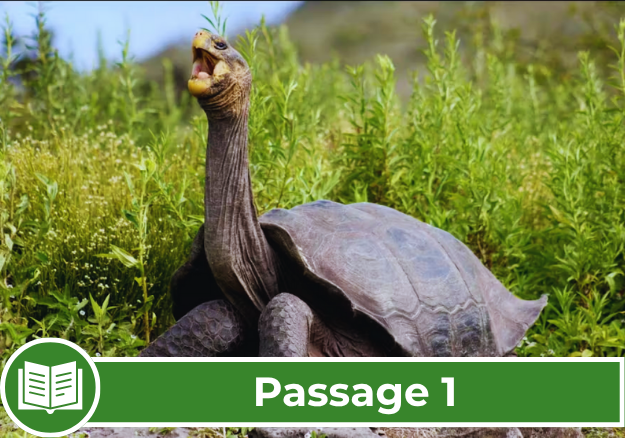
An airborne reintroduction programme has helped conservationists take significant steps to protect the endangered Galápagos tortoise. A Forests of spiny cacti cover much of the uneven lave plains that separate the interior of the Galápagos island of Isabela from the Pacific Ocean. With its five distinct volcanoes, the island resembles a lunar landscape. Only the […]
[IELTS Reading] – The Benefits of Being Bilingual
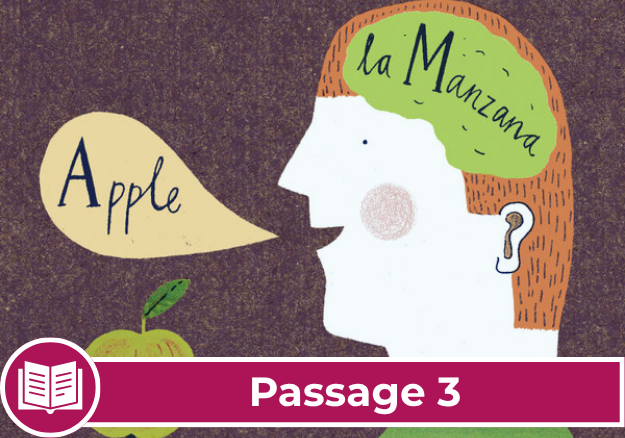
A According to the latest figures, the majority of the world’s population is now bilingual or multilingual, having grown up speaking two or more languages. In the past, such children were considered to be at a disadvantage compared with their monolingual peers. Over the past few decades, however, technological advances have allowed researchers to look […]
[IELTS Reading] – The lost city
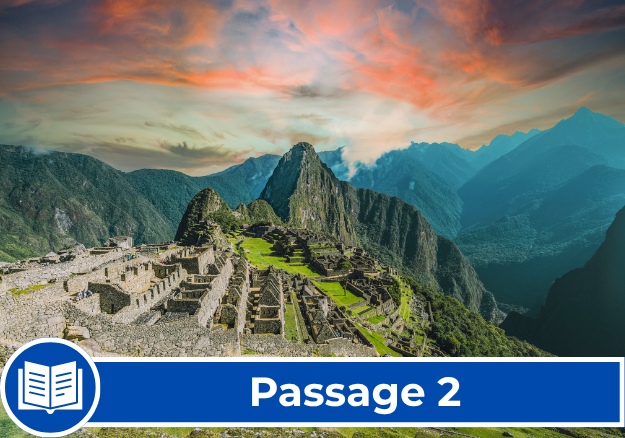
An explorer’s encounter with the ruined city of Machu Picchu, the most famous icon of the Inca civilsation A When the US explorer and academic Hiram Bingham arrived in South America in 1911, he was ready for what was to be the greatest achievement of his life: the exploration of the remote hinterland to the […]
[IELTS Reading] – The risks agriculture faces in developing countries

Synthesis of an online debate* A Two things distinguish food production from all other productive activities: first, every single person needs food each day and has a right to it; and second, it is hugely dependent on nature. These two unique aspects, one political, the other natural, make food production highly vulnerable and different from […]
[IELTS Reading] – What’s the purpose of gaining knowledge?
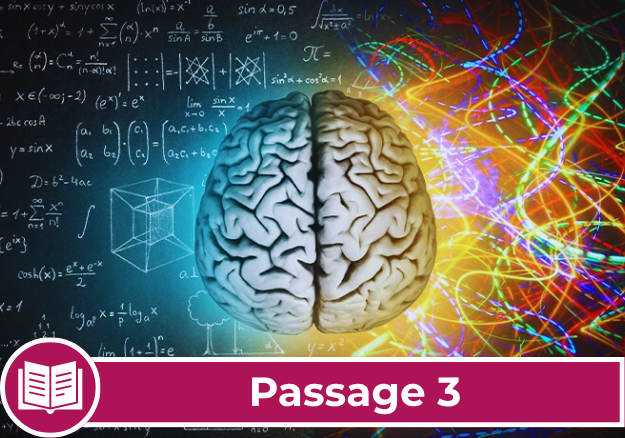
A ‘I would found an institution where any person can find instruction in any subject.’ That was the founder’s motto for Cornell University, and it seems an apt characterization of the different university, also in the USA, where I currently teach philosophy. A student can prepare for a career in resort management, engineering, interior design, […]
Collecting as a hobby
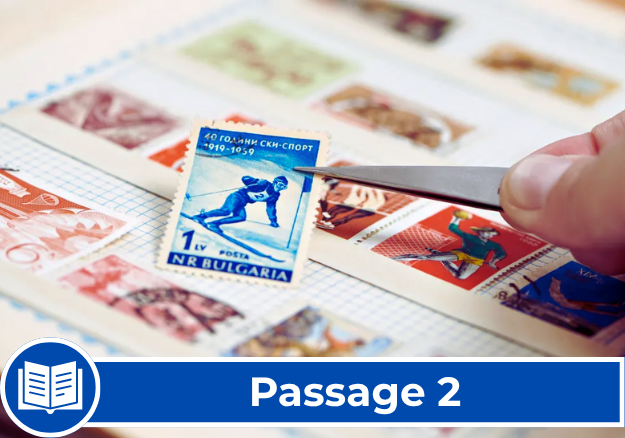
Collecting must be one of the most varied of human activities, and it’s one that many of us psychologists find fascinating. Many forms of collecting have been dignified with a technical name: an archtophilist collects teddy bears, a philatelist collects postage stamps, and a deltiologist collects postcards. Amassing hundreds or even thousands of postcards, chocolate […]
[IELTS Reading] – Cork
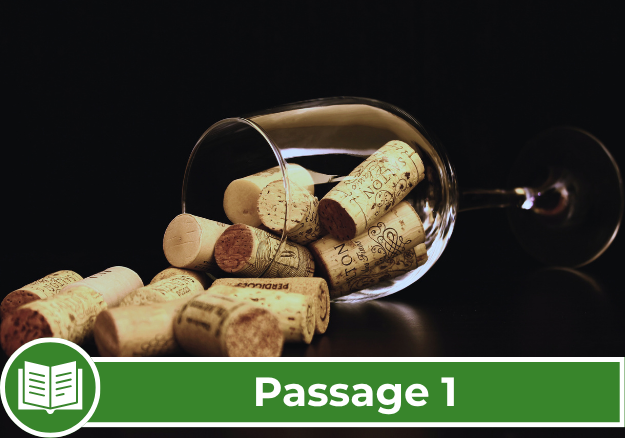
Cork – the thick bark of the cork oak tree (Quercus suber) – is a remarkable material. It is tough, elastic, buoyant, and fire-resistant, and suitable for a wide range of purposes. It has also been used for millennia: the ancient Egyptians sealed their sarcophagi (stone coffins) with cork, while the ancient Greeks and Romans used […]
[IELTS Reading] – Book Review
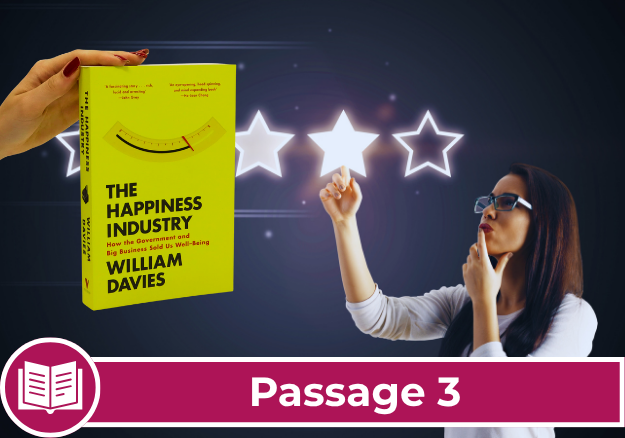
The Happiness Industry: How the Government and Big Business Sold Us Well-Being – By William Davies – ‘Happiness is the ultimate goal because it is self-evidently good. If we are asked why happiness matters we can give no further external reason. It just obviously does matter.’ This pronouncement by Richard Layard, an economist and advocate […]
[IELTS Reading] – Saving the soil
More than a third of the Earth’s top layer is at risk. Is there hope for our planet’s most precious resource? A More than a third of the world’s soil is endangered, according to a recent UN report. If we don’t slow the decline, all farmable soil could be gone in 60 years. Since soil […]
[IELTS Reading] – Cutty Sark: the fastest sailing ship of all time
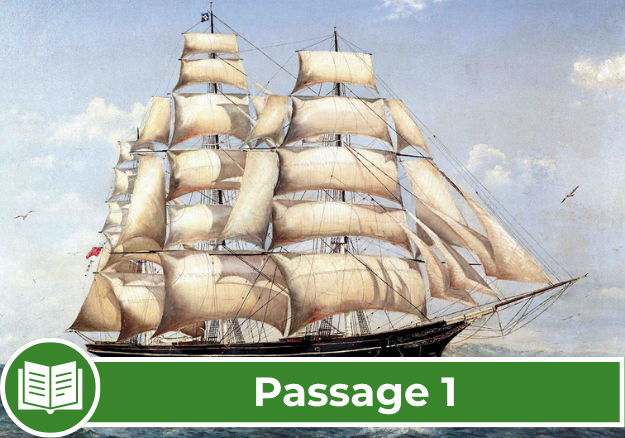
The nineteenth century was a period of great technological development in Britain, and for shipping the major changes were from wind to steam power, and from wood to iron and steel. The fastest commercial sailing vessels of all time were clippers, three-masted ships built to transport goods around the world, although some also took passengers. […]
[IELTS Reading] – Whatever happened to the Harappan Civilisation?
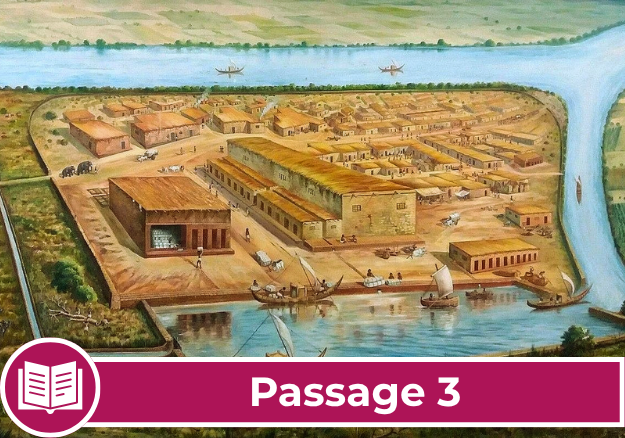
New research sheds light on the disappearance of an ancient society A The Harappan Civilisation of ancient Pakistan and India flourished 5,000 years ago, but a thousand years later their cities were abandoned. The Harappan Civilisation was a sophisticated Bronze Age society who built ‘megacities’ and traded internationally in luxury craft products, and yet seemed […]
[IELTS Reading] – How baby talk gives infant brains a boost
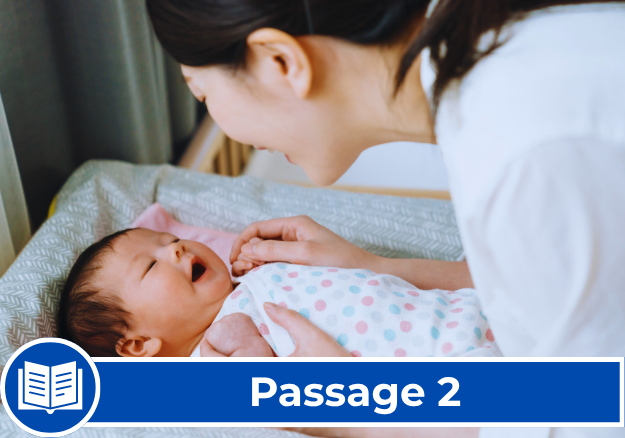
A The typical way of talking to a baby – high-pitched, exaggerated and repetitious – is a source of fascination for linguists who hope to understand how ‘baby talk’ impacts on learning. Most babies start developing their hearing while still in the womb, prompting some hopeful parents to play classical music to their pregnant bellies. […]
[IELTS Reading] – The coconut palm
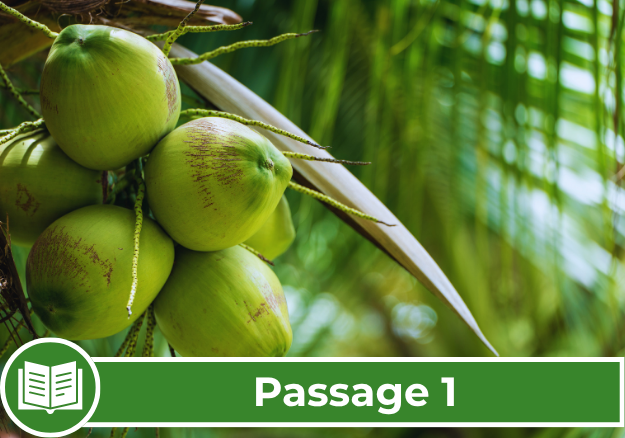
For millennia, the coconut has been central to the lives of Polynesian and Asian peoples. In the western world, on the other hand, coconuts have always been exotic and unusual, sometimes rare. The Italian merchant traveller Marco Polo apparently saw coconuts in South Asia in the late 13th century, and among the mid-14th-century travel writings […]
[IELTS Reading] – Making the most of trends
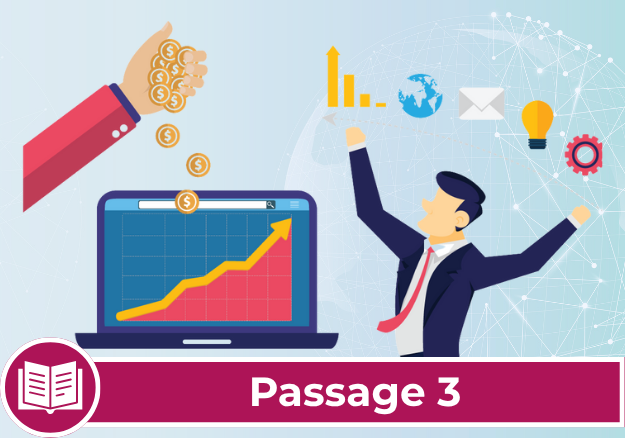
Experts from Harvard Business School give advice to managers Most managers can identify the major trends of the day. But it the course of conducting research in a number of industries and working directly with companies, we have discovered that managers often fail to recognize the less obvious but profound ways these trends are influencing […]
[IELTS Reading] – Oxytocin
The positive and negative effects of the chemical known as the ‘love hormone’ A Oxytocin is a chemical, a hormone produced in the pituitary gland in the brain. It was through various studies focusing on animals that scientists first became aware of the influence of oxytocin. They discovered that it helps reinforce the bonds between […]
[IELTS Reading] – Bringing cinnamon to Europe

Cinnamon is a sweet, fragrant spice produced from the inner bark of trees of the genus Cinnamomum, which is native to the Indian sub-continent. It was known in biblical times, and is mentioned in several books of the Bible, both as an ingredient that was mixed with oils for anointing people’s bodies, and also as […]
[IELTS Reading] – Artificial artist?
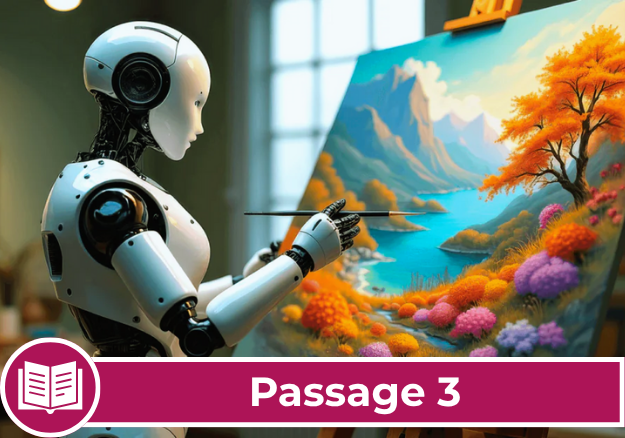
Can computers really create works of art? The Painting Fool is one of a growing number of computer programs which, so their makers claim, possess creative talents. Classical music by an artificial composer has had audiences enraptured, and even tricked them into believing a human was behind the score. Artworks painted by a robot have […]
[IELTS Reading] – Why being bored is stimulating – and useful, too
This most common of emotions is turning out to be more interesting than we thought A We all know how it feels – it’s impossible to keep your mind on anything, time stretches out, and all the things you could do seem equally unlikely to make you feel better. But defining boredom so that it […]
[IELTS Reading] – Case Study: Tourism New Zealand website

New Zealand is a small country of four million inhabitants, a long-haul flight from all the major tourist-generating markets of the world. Tourism currently makes up 9% of the country’s gross domestic product, and is the country’s largest export sector. Unlike other export sectors, which make products and then sell them overseas, tourism brings its […]
[IELTS Listening] – The hunt for sunken settlements and ancient shipwrecks
👈 Link dự phòng (mở tab mới)